
When the Body Feels (Too) Safe
My body begged me to turn around. I kept walking.

Halfway to the beach, my body staged a rebellion. My stomach rumbled like a gurgling drain.
My mind wandered to Lake Opuha.
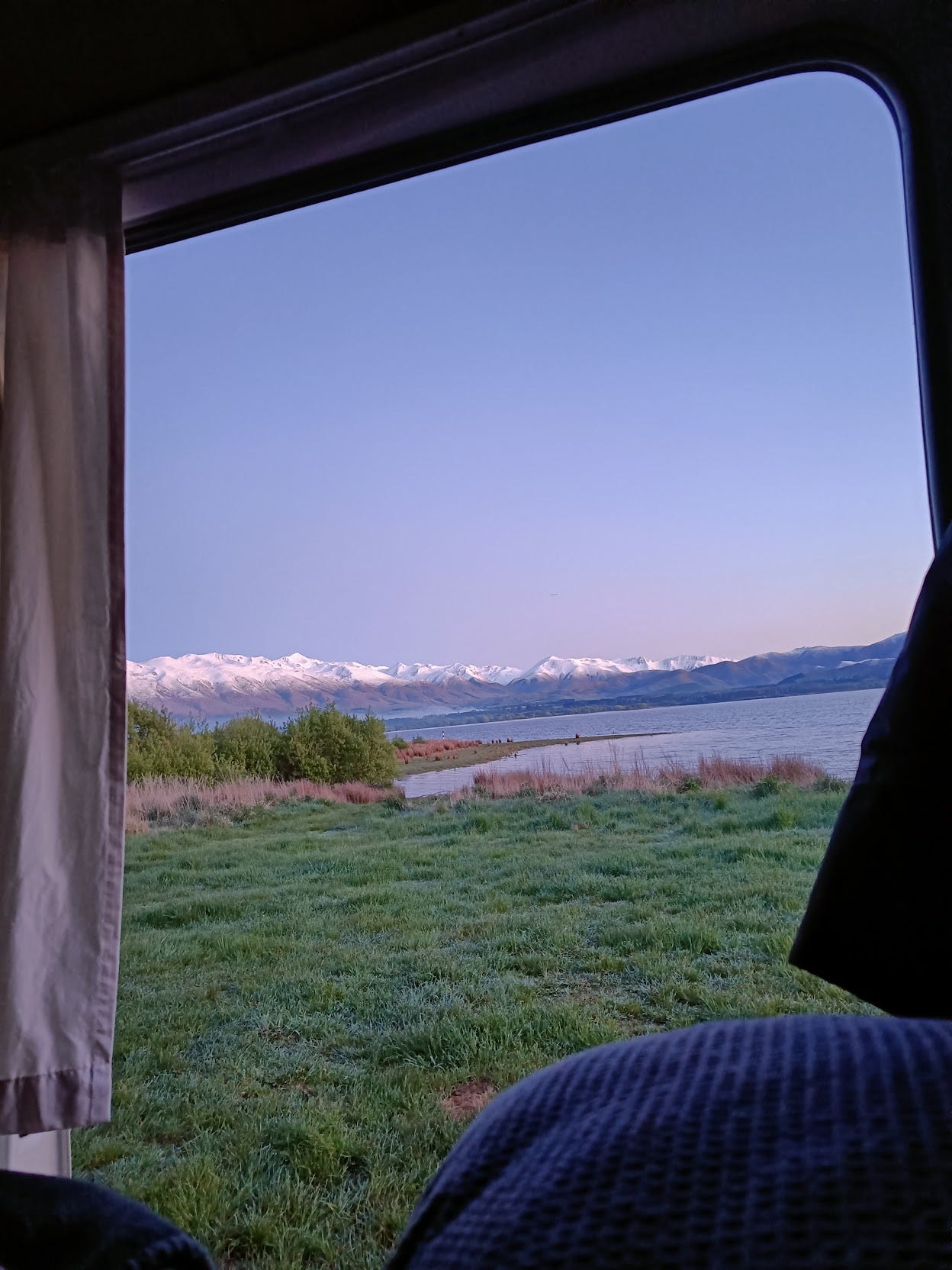
These hands and feet lost sensation for fifteen minutes after I jumped into the icy water — as if someone had taken a beach shovel and buried my limbs in lavender blue snow from the Southern Alps.
I told myself: “I am never going to freeze again.”
But maybe, my body needs a different story. Maybe I’ve been too safe. Maybe the poison is the medicine.
Why do we need risks?
The 2011 earthquake in Christchurch showed Mike Hewson how quickly solid structures can collapse. From his studio in the Government Life Building—a safe haven for the creative community—he watched the city’s famous cathedral melt down.
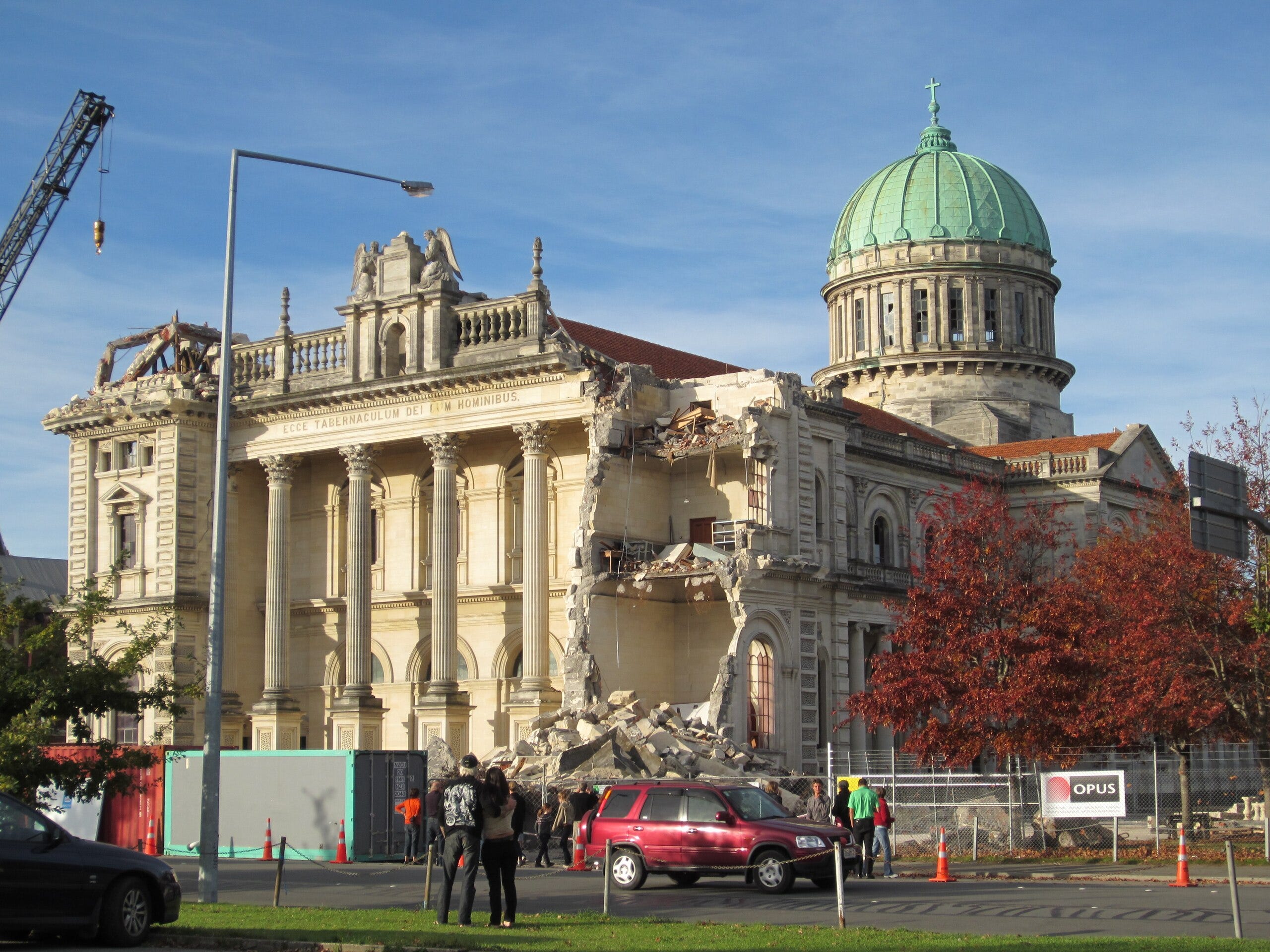
That day rewrote his understanding of safety: it’s our capacity to respond to risk.
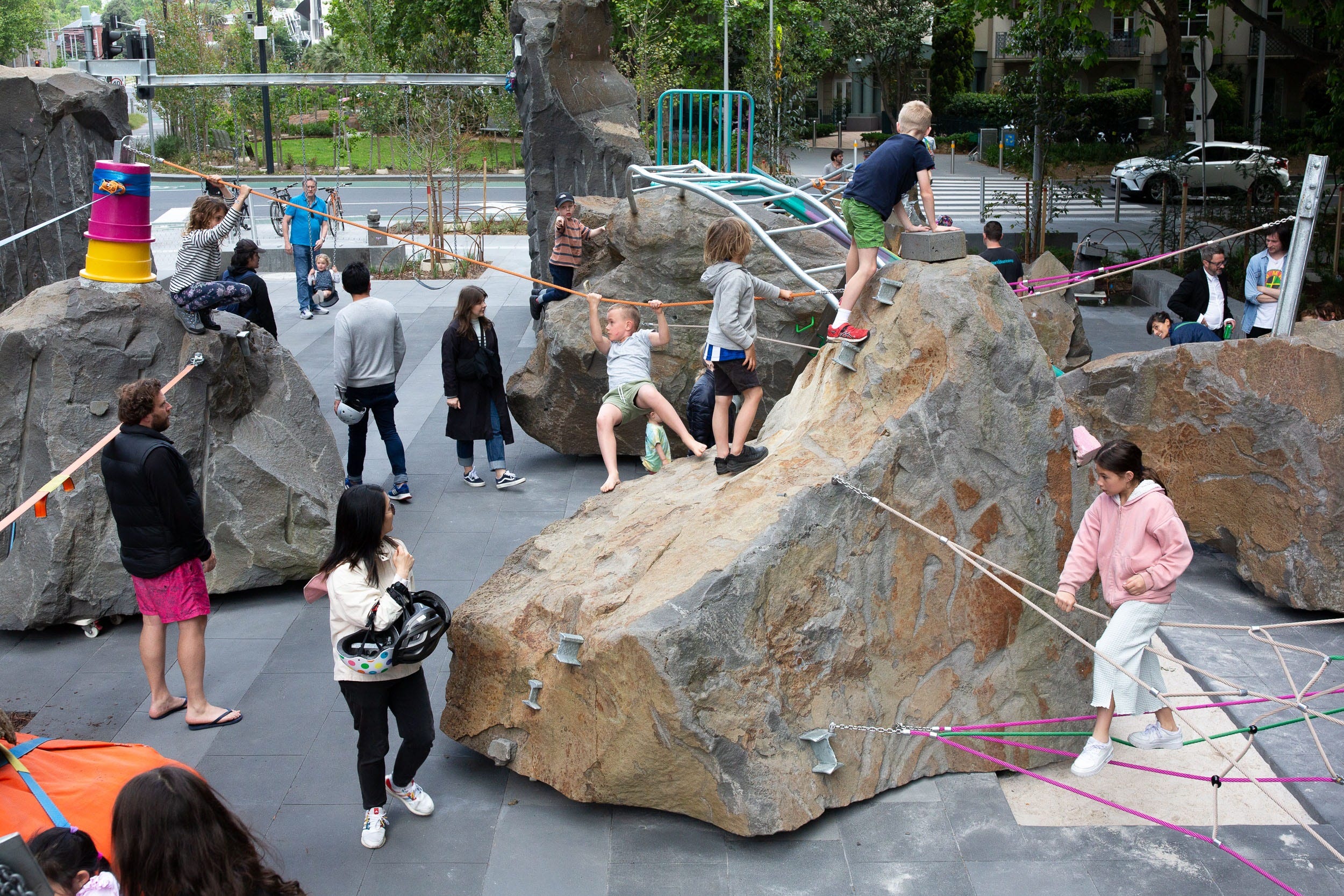
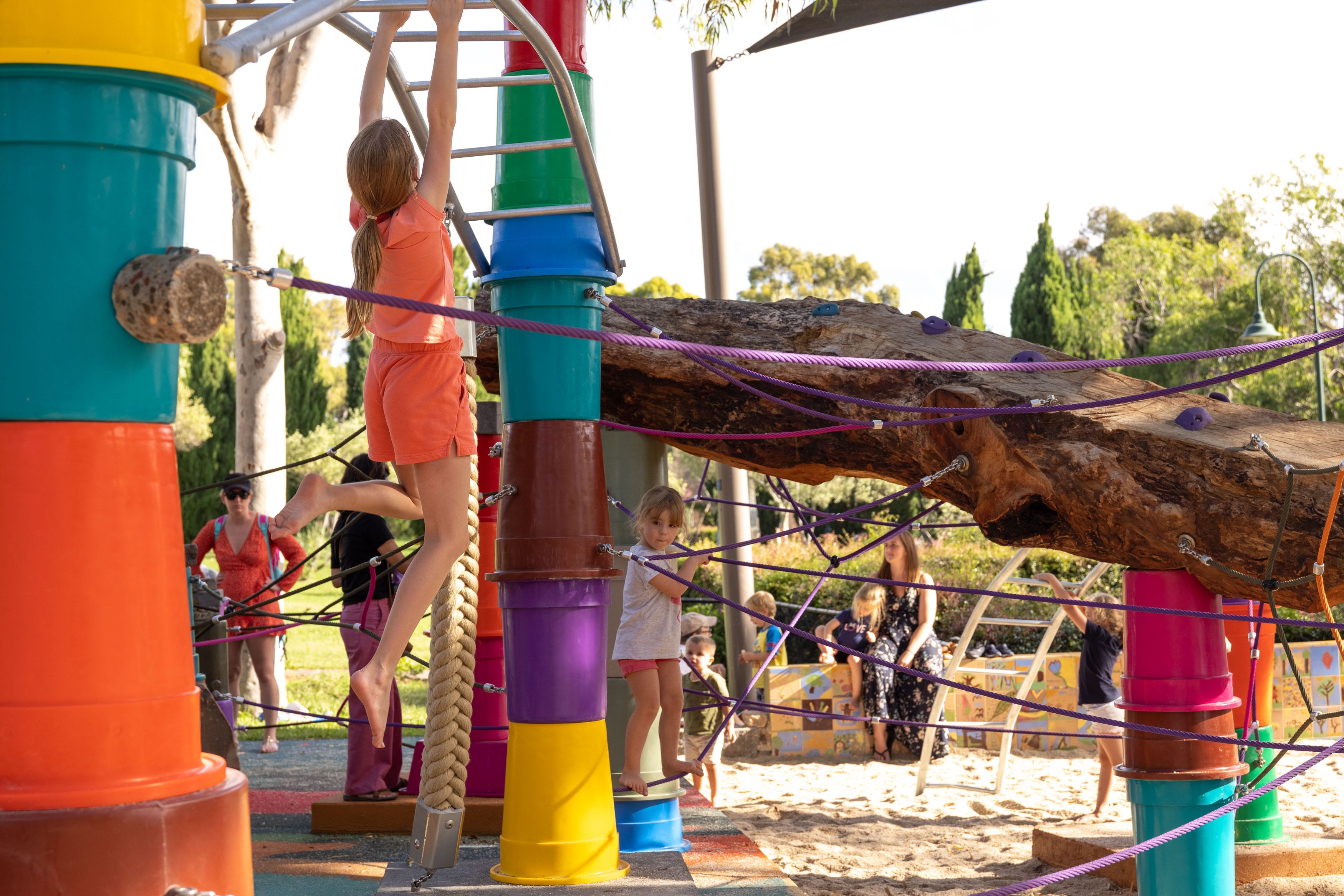
Now he builds “risky playgrounds” — boulders perched on tiny trolleys in Melbourne’s Southbank, barefoot challenges in Sydney’s Pockets Park. Kids test their limits in safe spaces designed to let them take a chance.
Are we too comfortable?
A few weeks ago, I read Michael Easter’s book: The Comfort Crisis.
He writes about this mythical moment in Alaska when a herd of caribou—charged straight at him: these 400-pound beasts running at 50 miles per hour, the ground shaking, hooves smashing up moss and moisture.
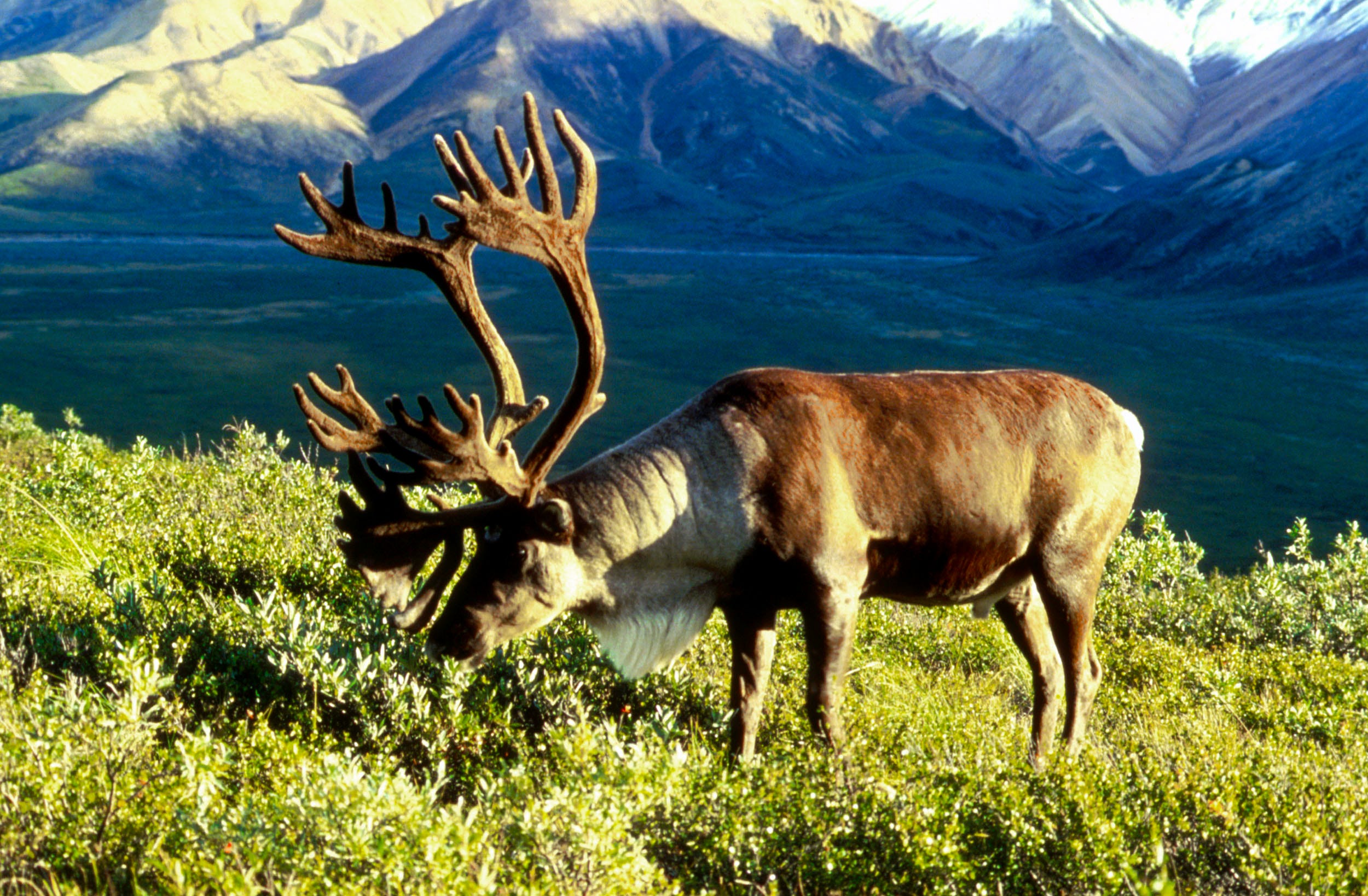
And just when he thought he was done for, they swerved.
That moment shook his soul.
I reflected on the author’s ‘doing hard things’ philosophy. Maybe not the caribou chase exactly, but what he wrote about discomfort stayed with me: our brains need it, nature restores it, and we’ve engineered all the hard things out of our lives.
Now we’re paying for it with anxiety about picking the wrong entrée from a takeaway food menu.
My discomfort experiment
This morning, I committed to two weeks of regular ocean dips. My body thought it was a fantastic idea, but rather conveniently: “just not today”.
The walk to Island Bay beach takes exactly fourteen minutes. The temperature was 9°C. Light winds from the south.
My experiment was to swim in the cold sea for two weeks.
*Terms and conditions: if the wind speed is less than 20km/hr from the south or less than 30km/hr from the north.
“Tomorrow?”, my body chuckled.
The southerly was gentle, but still, fourteen minutes felt like forty.
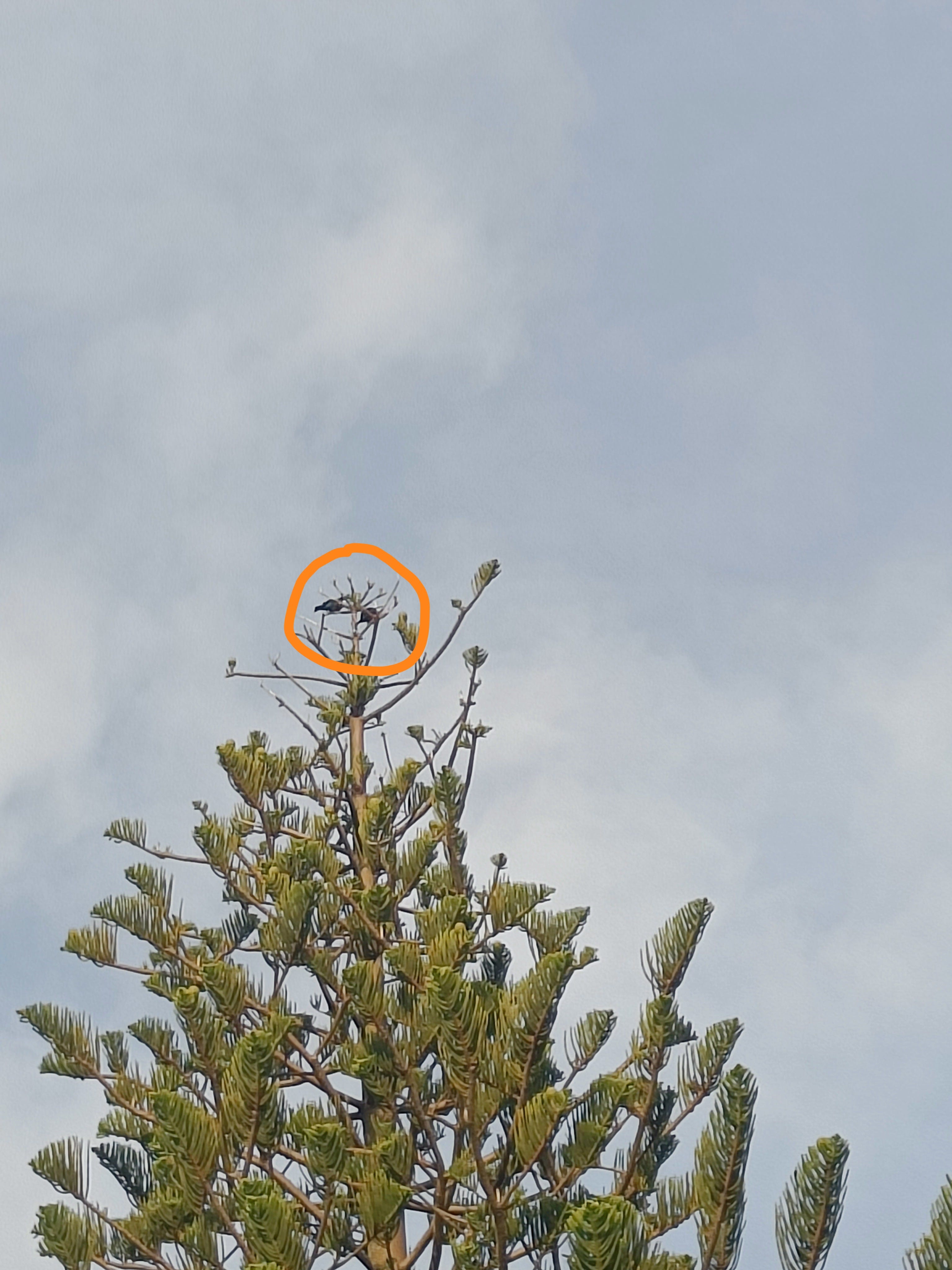
I stepped out and the sun grazed my face — a sliver of warmth on a cold winter morning. Two tūīs sat outside my driveway, their gleeful singing cheering me on.
But halfway there, a breeze hit me, a bus raced past and suddenly my heart was pounding. Then a churn erupted from my tummy—my body’s way of saying: remember Lake Opuha, remember the freezing water, remember the promise you made.
I could turn around. No one would know.
This whole “do hard things” experiment could wait for another day. A warmer day perhaps? A day when my gut wasn’t staging a mutiny.
The two tūīs appeared again, perched on a pine tree. They sang out: When the heart does not tremble, life remains unthreatened. It sounded more like a Chinese proverb than solid reassurance.
But it was enough for me to continue marching to the cold sea.
A sea breeze landed on my shoulder. This time, I didn’t brace against it. The sun warmed one cheek, the wind cooled the other. I simply noticed it.
My heart still pounding, still loud. But somewhere in the middle of all that thumping, the meaning flipped.
Same rhythm, different story.
My body hadn’t changed its physiology. It simply reinterpreted the signal: the fear of a cold plunge was now an adrenaline rush.
The waves kept folding over themselves. I wasn’t trying to watch them, but I couldn’t look away either. My body stopped rebelling for two and a half minutes. That’s all I lasted in the cold sea—gently probing my body’s demand for comfort.
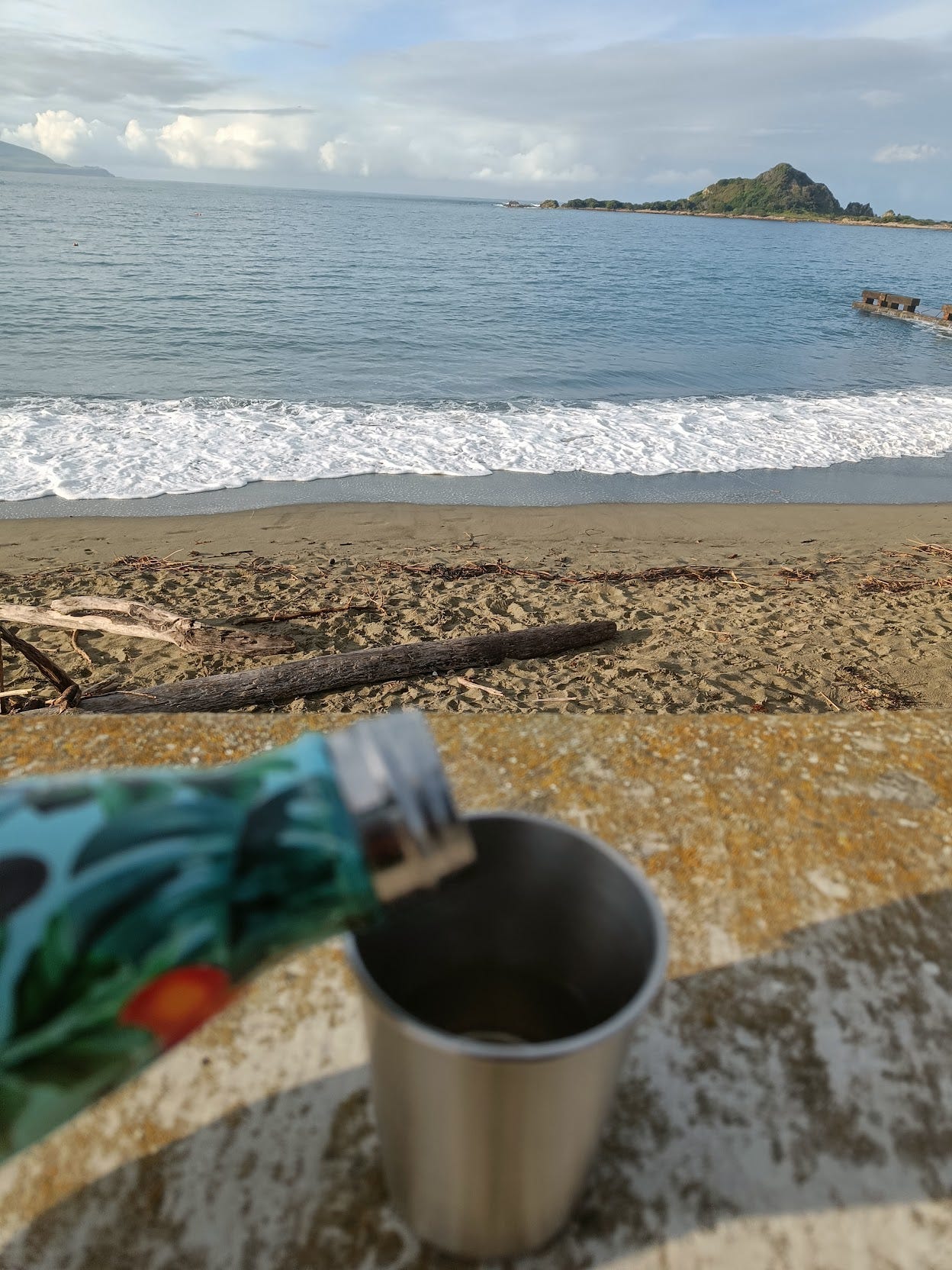
But sitting now with a ginger-lemon tea, my heart feels a warm expansion. The fourteen minutes walking meditation, those two and a half minutes frozen in the water, this moment of reflection. Time has expanded.
We are safest when icy water strips away all other fears, when we build our capacity to take risks, and when our pounding hearts are reinterpreted as adrenaline.
Note to self: Keep “doing hard things” experiment.
I am Kiwi