
Slow Learning Is Not a Deficit
Fast learning sharpens the mind. Slow learning changes the person.

"What does kai mean?"
A school friend from Bangalore interrupted me.
“Kai — it means food in Te Reo Māori .”
I'd forgotten to code-switch. We laughed. We shared kai. But after the slip-up, a dormant dream lingered in my tongue.
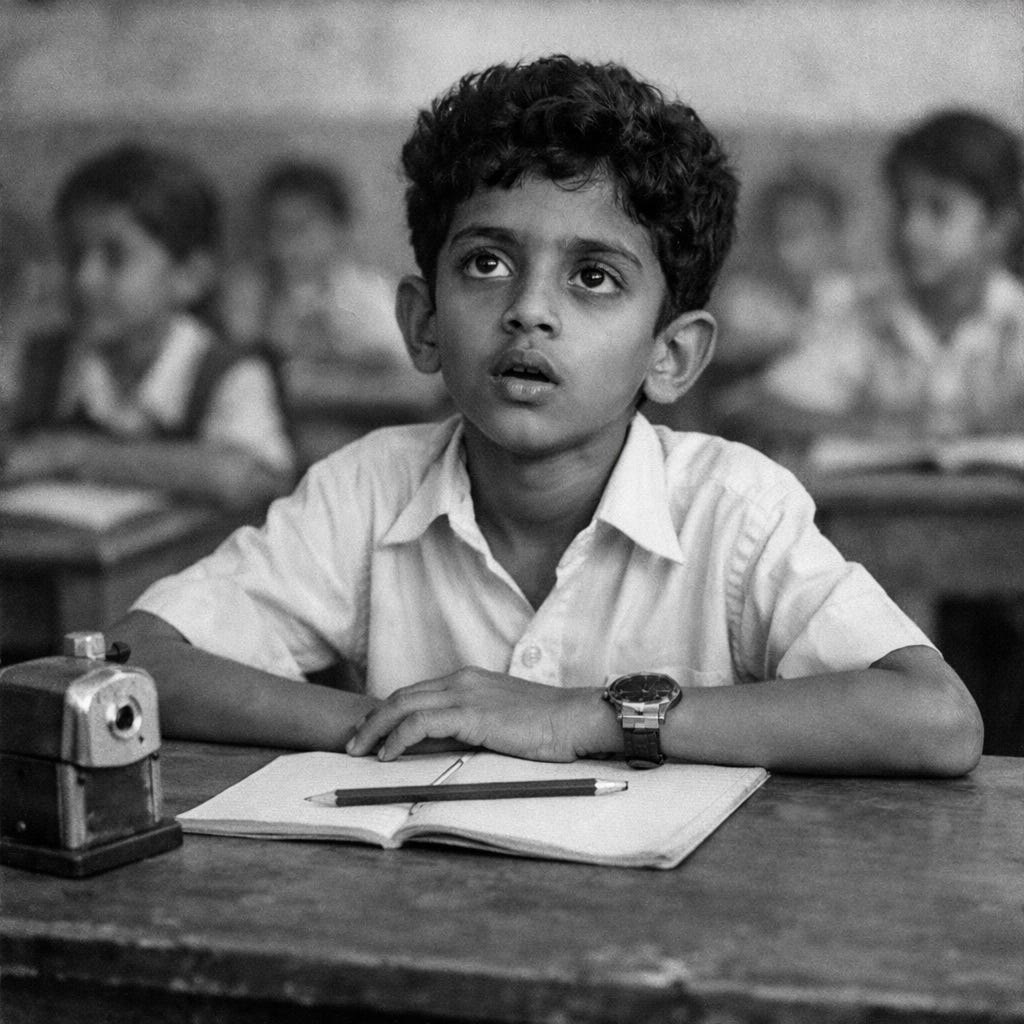
In middle school, I flunked my Kannada exams. Every academic year, the same threat waited: demotion or a different school.
I spent years watching other students memorise birthdays of emperors in the Mughal Empire, collectively chant: Fe + O₂ + H₂O → Rust, and mugging up words like dhak-dhak, thak-thak, and all that gadbad in Hindi Literature.
In high school, I managed to score 70% in Hindi for my board exams. Our Hindi teacher was waiting at the exam hall door to ask me: do you have any chance of passing? In her defence, I scored 29% in the final mock exam.
Quietly, and without anyone naming it, the belief that I was a capable language learner corroded.
That boy survived a schooling system too narrow to accommodate his mind. Despite scraping through his board exams, he was never told that a slow learner can also thrive.
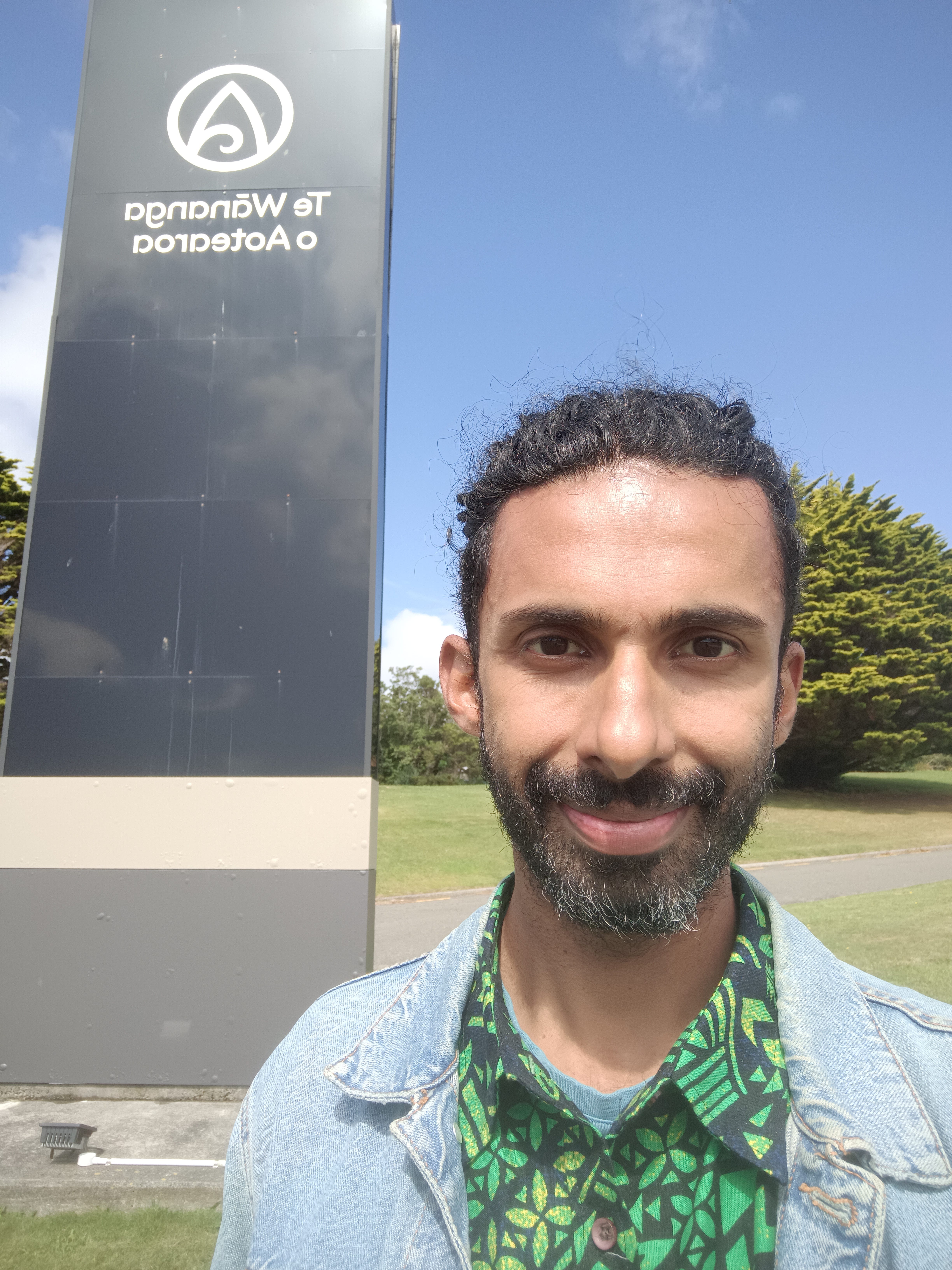
Four years ago, I sat in this same Te Reo Māori class—but—left it unfinished. The classroom moved to Zoom. One of the strictest borders in the world opened, and I flew to India to be with whānau.
On the first day back in the classroom, our kaiako asked: what’s your why?
“I was here four years ago,” I said. “I dropped out. I’m a slow learner, but I have arrived to start my reo journey again.”
Imagine if you learned a language the way ChatGPT does it: diverse dialects spanning timezones uploaded instantly in your cloud brain, syntax mapped in seconds, the lexicon of a 70-year-old kuia acquired before breakfast.
You simply wake up with all the wise words in 95 languages. You wouldn’t have been moved by them, would you? The words would arrive on the tip of your tongue — but the person speaking them would remain exactly who they were.
This is why I now believe: Slow learning is the price and the reward of self-transformation.
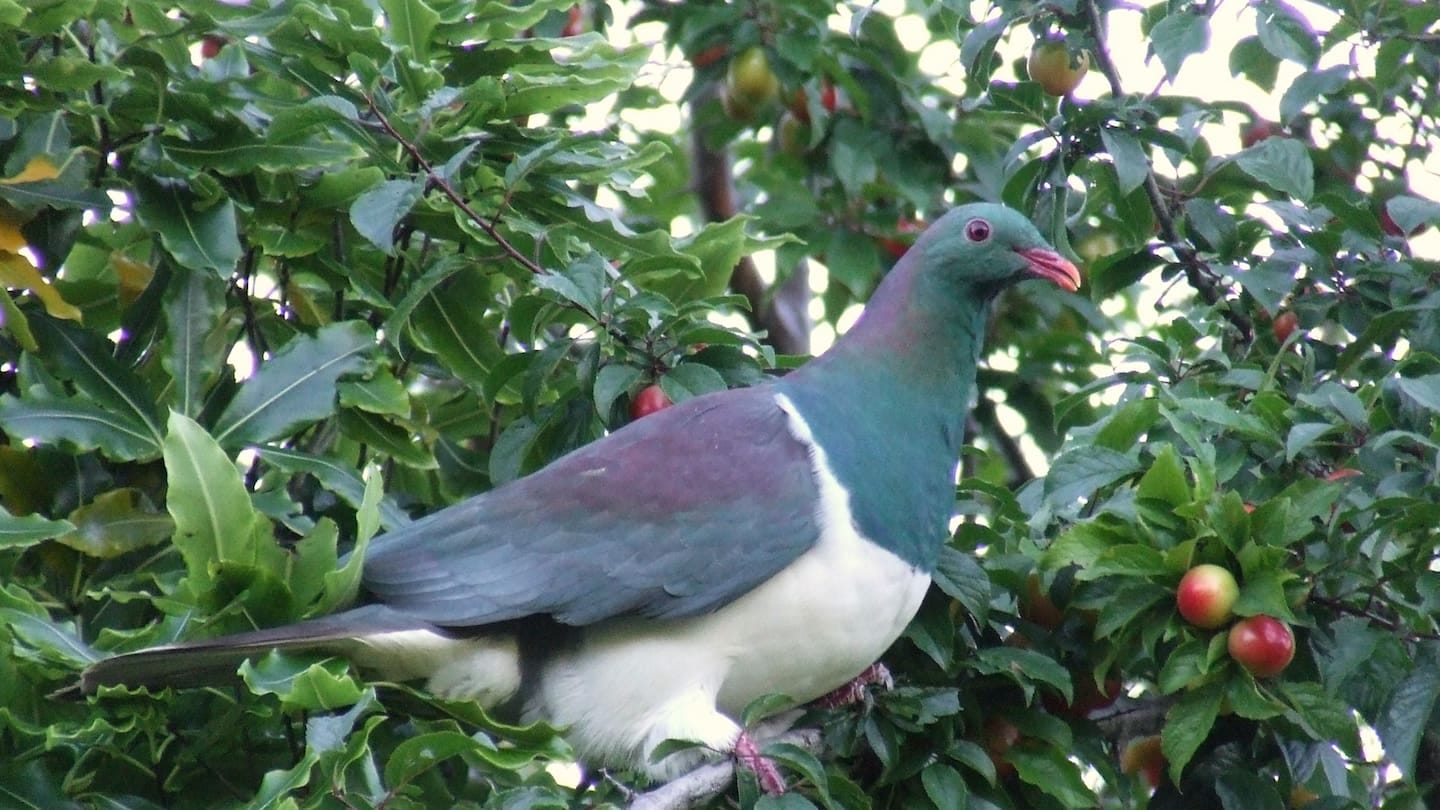
When we sing a waiata, we are placing ourselves inside a way of being. When we notice the caterpillar bites on a kawakawa leaf, or watch a kererū drunk on berries almost fall from a branch, we are not just seeing nature. We are forging a relationship.
We do not learn these things overnight. Aotearoa New Zealand reveals itself year by year, at its own pace, to those willing to keep paying attention.
Class by class, something is moving inside me. Te reo is asking me to locate myself in relation to ancestors, the whenua I live in, and the kererū falling from the skies.
Closing Notes
Previously I may have oversold the idea that experiments should be speedy — two weeks, celebrate a win, move on. That works for sharpening your mind. It doesn’t work for changing who you are in the world.
Fast learners often skim the surface. Slow learners often stop too soon. Both miss what only deep immersion does to our identity.
Here, then, is my small non-experiment.
Don’t start something new. Stay with one practice, one hobby, or a language you’ve abandoned. Return to it.
Ask yourself: what does it feel like to continue learning this slowly?
…
Dedicated to my ten-year-old self, and every other slow learner making their way back to a classroom after childhood trauma: keep learning slowly 💚